






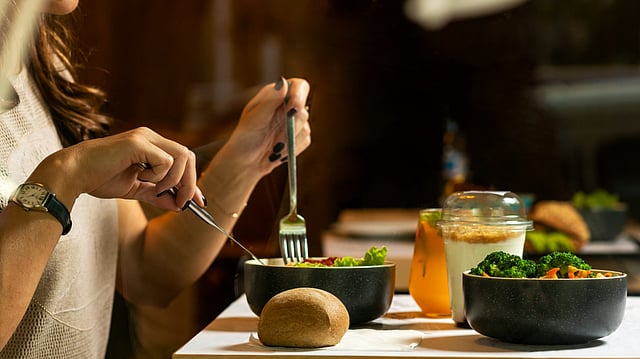
The way we interact with food has changed dramatically in the digital age. No longer limited to cookbooks or television shows, food inspiration now lives online—on blogs, platforms, and community-driven spaces that blend recipes, lifestyle insights, and cultural perspectives. Within this evolving landscape, myliberla.com food represents a growing interest in food content that goes beyond simple meal preparation. It reflects a broader movement toward mindful eating, global flavors, sustainability, and personal connection with what we consume.
This article takes a deep dive into the ideas and themes commonly associated with digital food platforms like this one. Rather than focusing solely on recipes, we’ll explore how modern food-focused websites shape conversations around health, culture, creativity, and everyday living. From the storytelling behind dishes to the ethical considerations of food choices, this is a holistic look at how online food content is influencing the modern table.
The Evolution of Online Food Platforms
Food content on the internet didn’t always look the way it does today. Early food blogs were often personal journals—home cooks sharing family recipes or documenting kitchen experiments. Over time, these spaces evolved into comprehensive platforms that combine culinary education, cultural commentary, and lifestyle guidance.
Today’s readers expect more than a list of ingredients and steps. They want context. Why does a dish matter? Where did it come from? How does it fit into a balanced lifestyle? Platforms like myliberla.com food fit into this modern expectation by framing food as part of a larger narrative about living intentionally.
This evolution mirrors a shift in how people view eating itself. Food is no longer just fuel; it’s an expression of identity, values, and curiosity. Digital food spaces now serve as bridges between tradition and innovation, helping readers navigate both classic comfort foods and emerging culinary trends.
Food as Culture and Storytelling
One of the most compelling aspects of contemporary food content is its emphasis on storytelling. Every dish has a backstory—rooted in geography, history, or personal memory. Online platforms that highlight these stories help readers form emotional connections with what they cook and eat.
Food storytelling often explores:
-
Cultural heritage: Traditional dishes passed down through generations
-
Regional influences: How climate, agriculture, and history shape cuisine
-
Personal narratives: Family meals, celebrations, and everyday rituals
By presenting food through a cultural lens, platforms encourage respect and appreciation for diversity. Readers aren’t just learning how to cook; they’re learning why certain flavors matter to certain communities. This approach fosters empathy and curiosity, turning meals into learning experiences rather than routine tasks.
Health, Balance, and Mindful Eating
Another defining feature of modern food-focused websites is their attention to wellness. Instead of promoting rigid diets or extreme eating habits, many platforms now emphasize balance, moderation, and awareness.
Mindful eating is about more than calories or nutrients. It involves paying attention to hunger cues, enjoying flavors, and understanding how food affects both body and mind. Digital food content supports this by offering:
-
Nutrient-conscious recipes without being restrictive
-
Insights into how ingredients support overall well-being
-
Encouragement to listen to one’s own body rather than trends
This perspective aligns well with readers seeking sustainable, long-term habits. Rather than chasing perfection, the focus is on consistency and enjoyment. Food becomes a partner in well-being, not a source of guilt or stress.
Sustainability and Ethical Food Choices
Sustainability has become a central topic in food conversations, and online platforms play a major role in spreading awareness. From reducing food waste to choosing seasonal ingredients, digital food spaces educate readers about the environmental impact of their choices.
Common sustainability themes include:
-
Seasonal cooking: Using ingredients at their peak freshness
-
Local sourcing: Supporting nearby farmers and producers
-
Waste reduction: Creative ways to use leftovers and scraps
By integrating these ideas into everyday cooking content, platforms make sustainability feel achievable rather than overwhelming. Small changes—like planning meals or understanding ingredient origins—can add up to meaningful impact.
Ethical considerations also extend to labor practices, animal welfare, and fair trade. While not every reader will adopt the same values, exposure to these topics encourages informed decision-making and thoughtful consumption.
Creativity in the Kitchen
One of the joys of engaging with food content online is the encouragement to experiment. Modern platforms often frame cooking as a creative outlet rather than a chore. This mindset invites readers to adapt recipes, try new flavor combinations, and trust their instincts.
Creativity in cooking can look like:
-
Remixing traditional recipes with modern twists
-
Substituting ingredients based on availability or preference
-
Drawing inspiration from multiple cuisines
This flexible approach empowers home cooks of all skill levels. Instead of feeling intimidated by complex techniques, readers are reminded that cooking is a skill developed through practice and play. Mistakes become learning opportunities, and successes become personal victories.
The Role of Community and Shared Experience
Food has always been social, and digital platforms extend that social aspect into online spaces. Comment sections, social media integrations, and user-submitted content create communities around shared tastes and experiences.
These communities offer:
-
Recipe feedback and variations
-
Personal stories connected to dishes
-
Encouragement for beginners
The sense of belonging that comes from sharing food experiences—even virtually—adds depth to online content. Readers aren’t just passive consumers; they become participants in an ongoing conversation about food and life.
This communal element also helps demystify cooking. Seeing real people adapt recipes or share challenges makes the process feel accessible and inclusive.
Adapting Food Content to Modern Lifestyles
Modern life is busy, and food platforms increasingly acknowledge that reality. Rather than assuming unlimited time or resources, they offer practical solutions for real-world constraints.
This includes:
-
Quick, weeknight-friendly meals
-
Budget-conscious ingredient choices
-
Tips for meal prepping and planning
By aligning with everyday needs, food content becomes more relevant and useful. It recognizes that while food can be meaningful and expressive, it also has to fit into packed schedules and diverse households.
Platforms like myliberla.com food reflect this balance by blending inspiration with practicality, encouraging readers to enjoy food without adding pressure.
Why Digital Food Spaces Matter Today
In an era of constant information, well-curated food content provides clarity and grounding. It helps people reconnect with basic human experiences—preparing meals, sharing food, and caring for themselves and others.
Digital food platforms matter because they:
-
Preserve and share cultural knowledge
-
Promote healthier, more mindful habits
-
Encourage creativity and connection
They also serve as entry points for learning. A single recipe can spark interest in a new cuisine, a sustainability practice, or a personal health goal. Over time, these small influences shape how people think about food and its role in their lives.
Conclusion
Food is deeply personal, yet universally shared. Online platforms that approach food with curiosity, respect, and balance play an important role in modern culture. By combining recipes with storytelling, wellness insights, and ethical awareness, they elevate food from a daily necessity to a meaningful practice.
myliberla.com food exemplifies this broader digital trend—one where food content is not just about what’s on the plate, but about how we live, connect, and make choices. As readers continue to seek authenticity and depth in the content they consume, platforms that honor the full story of food will remain relevant and impactful.